
Lay the foundation: plan, pick the right platform, and stay focused
Creating a seamless online experience starts before you design a single page. Clarify the main goals for your site-showcasing a portfolio, selling products, building a blog, or supporting a community-and choose a platform that supports those goals without unnecessary complexity. A flexible free website builder with intuitive templates and built-in features can shave hours off setup time; look for one that centralizes site creation so you can launch quickly and iterate often (website builder).
As you plan, map user journeys: how do visitors arrive, what actions do you want them to take, and how will you measure success? Prioritize mobile-first thinking since responsive design is non-negotiable for modern audiences-pick themes and tools that make pages look great across devices (responsive web design). A clear foundation makes every later decision-design, content, commerce-more purposeful and aligned with user expectations.

Design and content: make editing simple and enjoyable
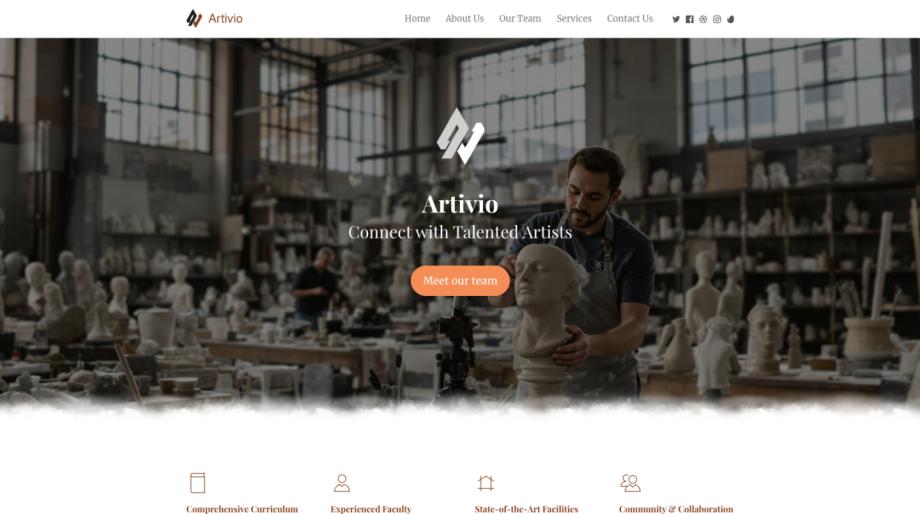
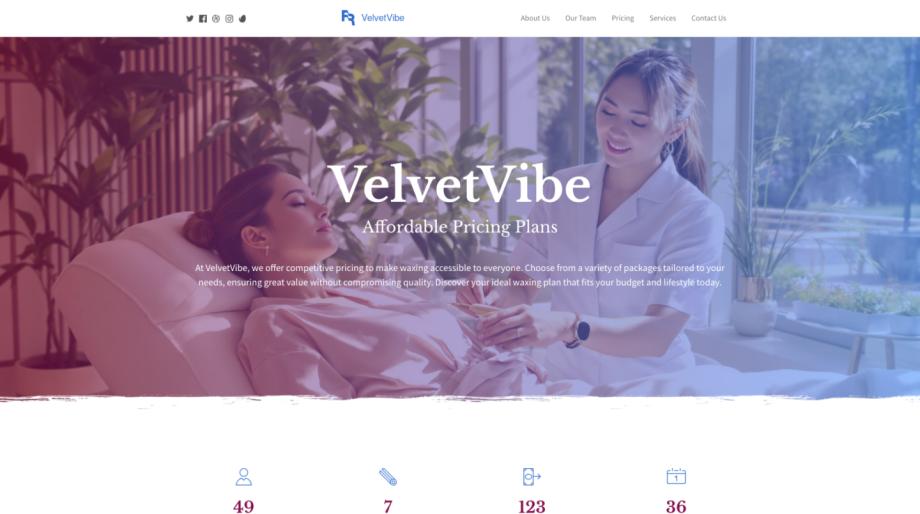
Design shouldn’t be a bottleneck. A visual content editor that lets you drag, drop, and tweak elements in real time empowers non-technical creators to produce polished pages quickly (visual content editor). Use consistent typography, spacing, and color to reduce cognitive load and surface trust. Keep headings scannable, images optimized, and calls to action obvious.
Organize your digital assets so creativity stays fast. A robust file manager helps you store, retrieve, and version images, documents, and media without hunting through folders or third‑party services (file manager). Together, a visual editor and well-structured assets let you publish faster, respond to trends, and maintain a cohesive brand across pages and social feeds.
Sell, promote, and grow: tools that convert
If commerce is part of your plan, choose an e-commerce system designed for growth rather than a patchwork of plugins. Look for features like product catalogs, secure checkout, inventory management, and analytics that are tightly integrated with your site so the shopping experience is smooth from discovery to purchase (e-commerce). Small friction points-slow pages, confusing carts, or unclear shipping-will cost conversions, so test the checkout flow on multiple devices before promoting.
Beyond the storefront, invest in tools that increase discoverability and measure impact. Built-in SEO optimization tools that guide meta tags, structured data, and performance improvements help pages rank and reach the right audience without requiring expert knowledge (SEO optimization tools). Combine those with an integrated social posting workflow to amplify new products, blog posts, and promotions so your audience finds and engages with your content consistently.
Operate efficiently: collaboration, communication, and credibility
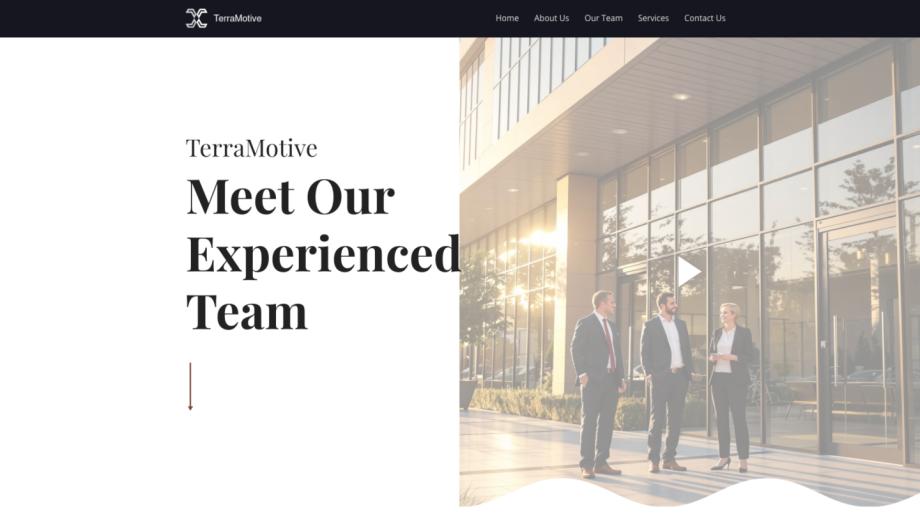
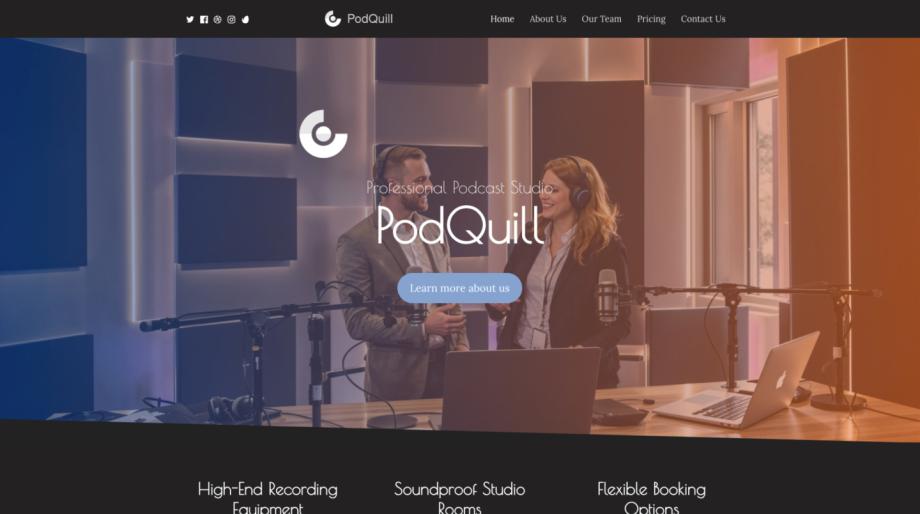
A seamless online experience isn’t only customer-facing-your team’s workflow determines how reliably you deliver updates and support. Team management features that assign roles, manage permissions, and track changes reduce mistakes and speed up publishing cycles (team management). When multiple contributors are involved, clear workflows and review steps keep quality consistent and cut down on rework.
Finally, round out your presence with professional tools that build trust. A branded, professional business email tied to your domain reinforces credibility in every customer interaction and simplifies customer service and invoicing (professional business email). Paired with regular audits of site performance, accessibility checks, and a schedule for content refreshes, these operational pieces ensure your site stays useful, secure, and aligned with customer expectations.