
The democratization of commerce: how selling online became simple
Not long ago, launching an online store meant hiring designers, wresting with hosting configurations, and wiring together payment gateways. Today, free website builders have transformed that landscape by removing technical barriers and putting powerful selling tools into the hands of everyday entrepreneurs. What was once reserved for developers is now accessible to small business owners, creators, and side hustlers who can go from idea to live shop in hours, not months. This shift has expanded who can participate in e-commerce and changed expectations: speed, affordability, and ease-of-use are now baseline requirements for any online sales strategy.


What free website builders bring to the seller's toolkit
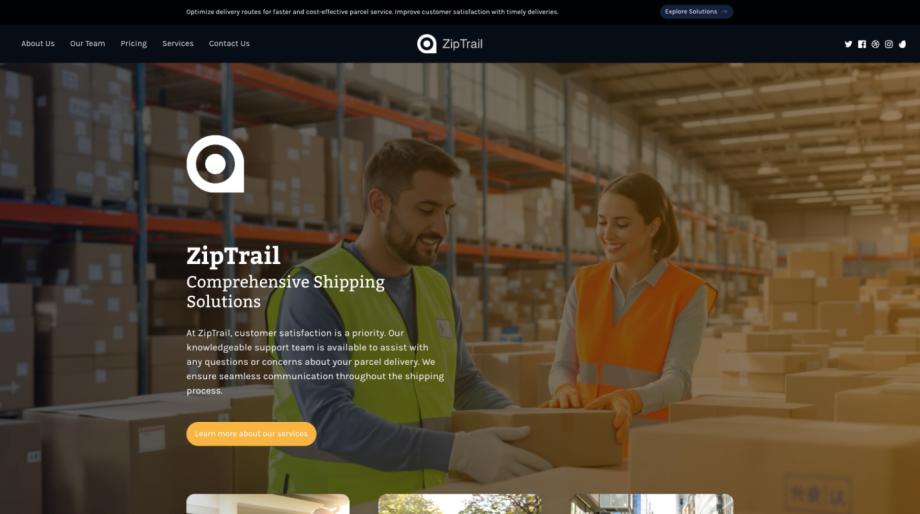
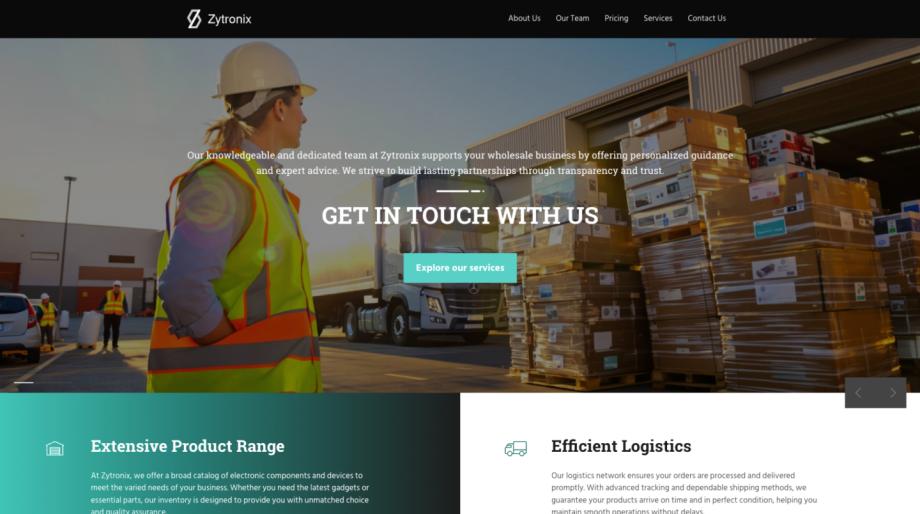
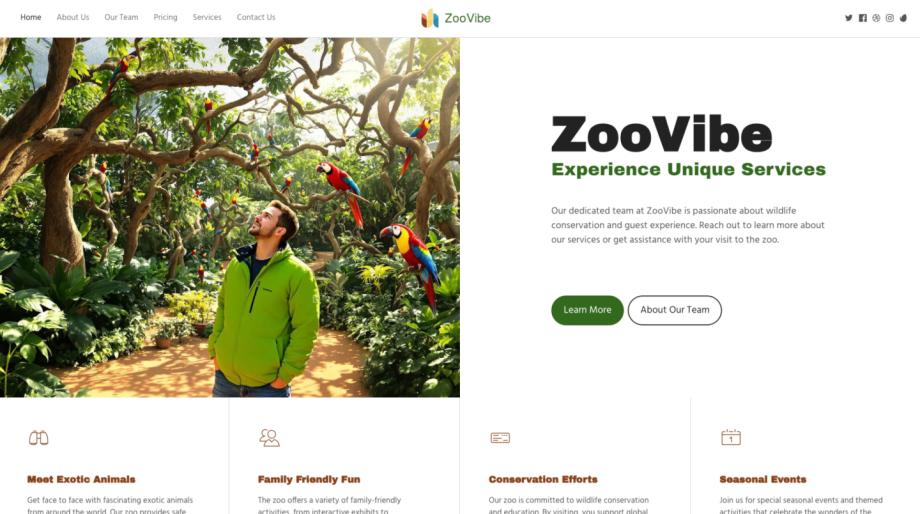
Modern builders bundle multiple capabilities that used to be separate services. A visual drag-and-drop website builder and a responsive template system such as responsive web design make polished storefronts possible without coding. Integrated content tools like a visual content editor and an online image editor let sellers craft product pages and marketing content quickly. On the operational side, built-in file storage and organization via a file manager keeps product assets organized and accessible across pages.
Importantly, many free builders now include commerce-specific functions that directly support transactions and customer journeys. Features such as e-commerce sales modules cover the basics-product listings, carts, discounts and checkout-so you don't need separate software to accept payments. And when you need advanced capabilities, optional add-ons like a modular shop extension or a shipment module upgrade shipping options without a full platform migration. This modular approach lets businesses start small and add complexity as they grow.
From first sale to scaling up: practical steps and best practices
Free builders have removed technical friction, but success still requires strategy. Start by treating your site like a living sales channel: choose a clear product focus, create concise product descriptions with high-quality images edited in-platform, and optimize your checkout for minimal friction. Use the built-in visual editor and image tools to maintain consistent branding and fast-loading pages-speed and clarity directly affect conversion rates.
Here's a simple roadmap:
- Choose a ready template and customize it using the website builder's visual tools.
- Organize product assets in the file manager, and prepare 3-5 high-quality images per item edited with the integrated image editor.
- Set up your product pages with clear pricing, shipping options, and return policies. Add the e-commerce sales features to manage inventory and checkout.
- Test the entire purchase flow on mobile and desktop-responsive design ensures the experience is consistent across devices.
- Launch, gather feedback, and iterate. Use modular add-ons like shop and shipment to expand functionality as orders increase.
Beyond the basics, take advantage of automation and integrations to scale: simple inventory rules, shipping rate calculators, and optional communication tools reduce manual work. Even when starting with a free tier, the ability to add specific modules later means you can invest incrementally and avoid large upfront costs.

Why this matters for the future of online selling
Free website builders have changed the game by lowering the cost and complexity of launching an online business. They democratize access to professional design, built-in commerce tools, and operational features that used to require multiple vendors or technical expertise. That accessibility fosters more diverse marketplaces, faster experimentation, and new types of sellers who can focus on product-market fit instead of infrastructure.
For anyone looking to sell online, the current generation of builders offers a compelling blend of usability and capability: start quickly with intuitive visual design, manage assets and content efficiently, and scale with modular commerce and shipping options when needed. The result is a faster route from concept to revenue-and a competitive edge for those who move quickly and optimize thoughtfully.